

Commercial Electrical Inspections In Tamworth: What Businesses Need To Know
Commercial electrical inspections in Tamworth give business owners, property managers and landlords a clear, documented picture of whether a building’s electrical installation is safe, compliant and fit for continued use. A licensed electrician checks the switchboard, wiring, safety switches and emergency lighting, then hands over a written report that lists any defects and what to do about them.
For most commercial properties, that report forms the backbone of your electrical safety obligations. Bes-Elect Electrical is a licensed local contractor (Electrical Licence 275142C) based in Taminda. We inspect offices, retail shops, workshops, industrial sites and rural properties across the Tamworth region.
What does a commercial electrical inspection involve?
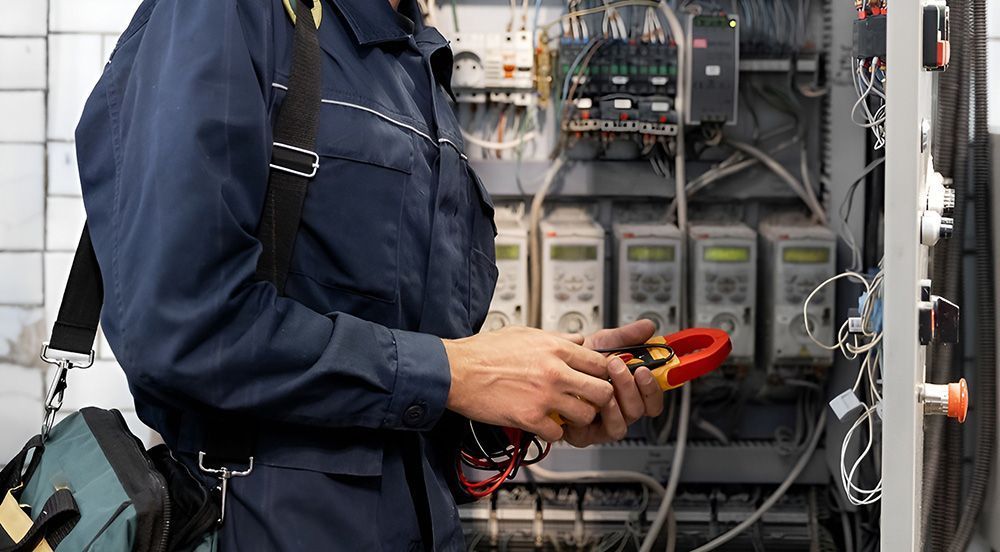
A thorough inspection combines visual checks with hands-on testing. The exact scope depends on the building, but a typical commercial inspection covers:
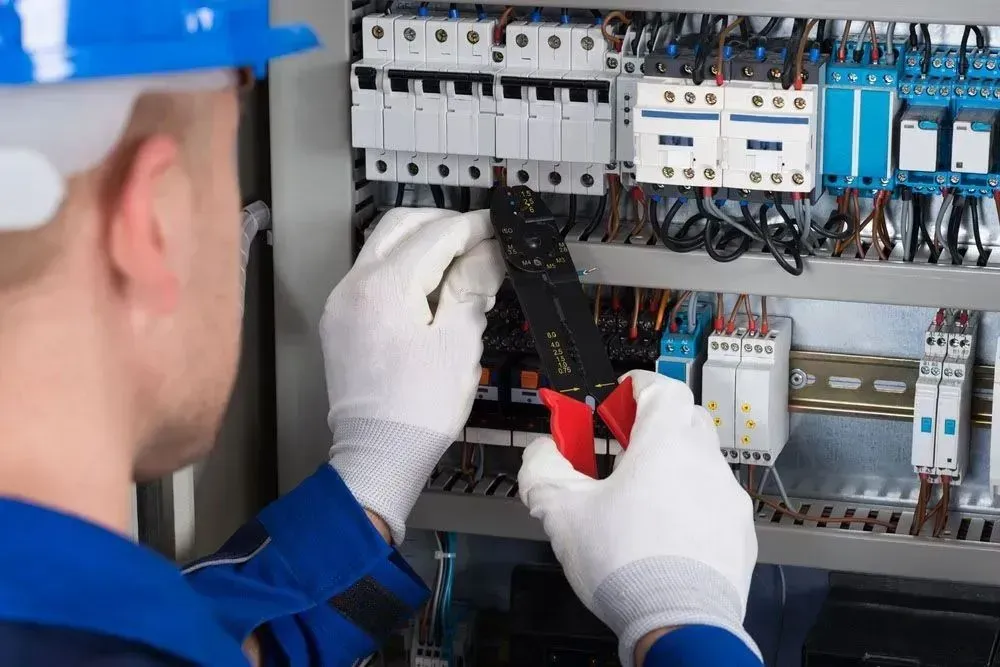
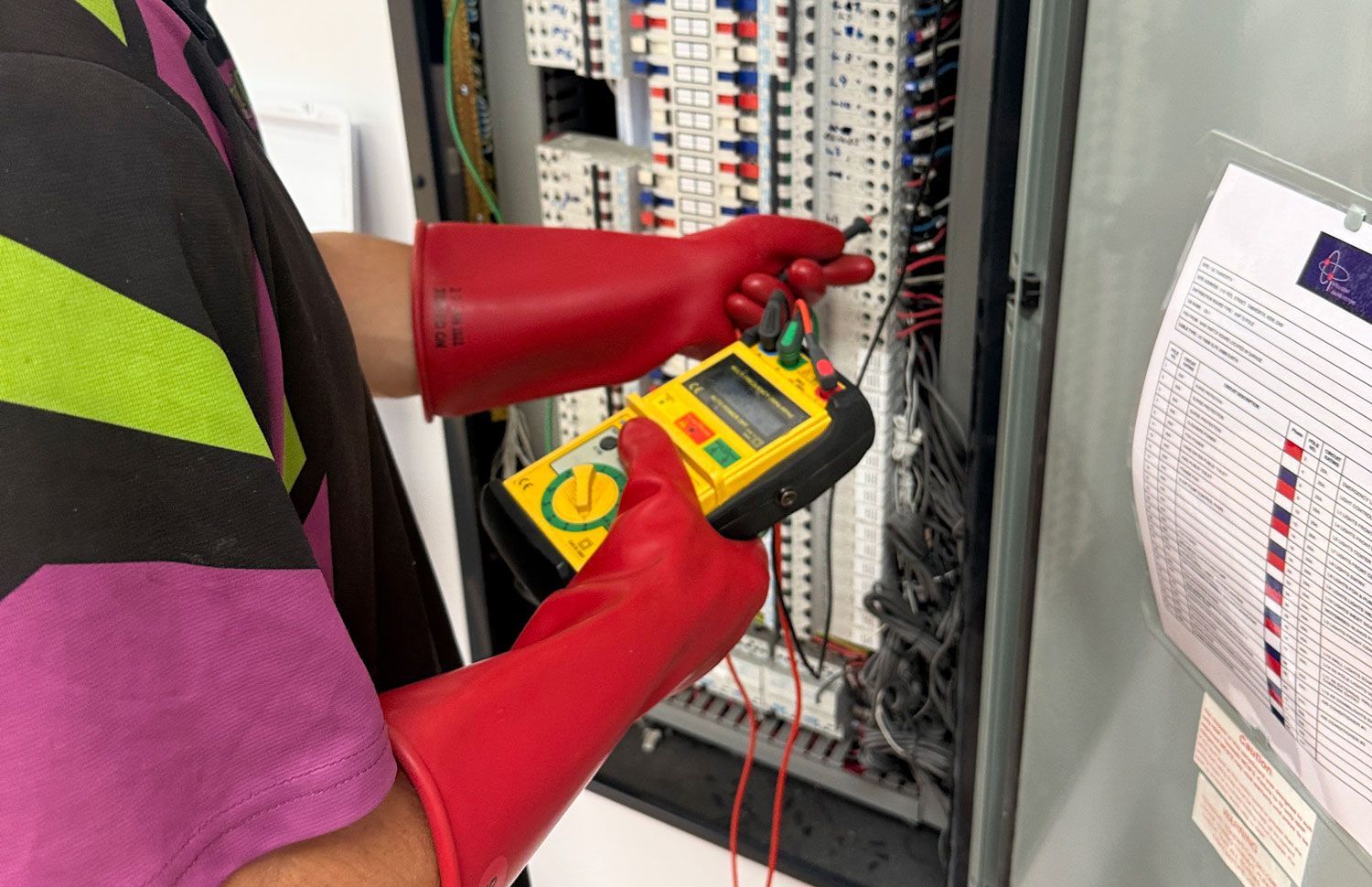
- Switchboards and RCDs (safety switches): we check the board’s condition, labelling and capacity, and test RCDs to confirm they trip within safe limits.
- Wiring and connections: we look for damaged, overloaded or deteriorating cabling, loose terminations and non-compliant past work.
- Thermal checks: we use heat testing on circuits and connections to pick up hot spots that point to overloading or failing components before they become a fire risk.
- Emergency and exit lighting: we confirm the fittings work and run on battery backup for the required duration.
- Portable equipment: we test and tag leads, power boards and appliances, usually as a separate service.
- A written report: you receive a list of defects ranked by urgency, with clear recommendations.
Portable equipment is covered separately through our
test and tag services, which help keep your workplace compliant between full inspections.
How often should a commercial property have an electrical inspection?
No single legal interval applies to every commercial building. Frequency should reflect how the property is used and how much risk it carries. As general guidance:
- Offices and low-risk retail: periodic inspections at longer intervals usually suffice, with more frequent checks after renovations, tenant changes or new equipment.
- Workshops, warehouses and manufacturing: these sites need more frequent inspections, because dust, vibration, moisture and heavy loads wear installations down faster.
- Agricultural and industrial sites: these sit at the higher end of the risk scale. Sheds, pumps and machinery often operate in hostile conditions, so shorter intervals make sense.
- Emergency lighting: AS/NZS 2293.2 sets out routine service on a six-monthly schedule, separate from your general inspection.
Example: a Tamworth engineering workshop running welders, compressors and grinders off an ageing board would warrant more frequent checks than a carpeted office upstairs on Peel Street. The workshop’s equipment draws more power, gets moved around more and operates in dust and metal swarf.
What are your legal obligations under NSW law?
Under the NSW Work Health and Safety Act 2011 and the WHS Regulation, a person conducting a business or undertaking (PCBU) must manage electrical risks at the workplace. SafeWork NSW’s Code of Practice, Managing electrical risks in the workplace, explains how to meet that duty. The regulation also sets specific requirements for RCD protection and for equipment used in hostile operating environments.
Several Australian Standards shape what a compliant inspection looks like:
- AS/NZS 3000 (the Wiring Rules): sets the requirements your electrical installation must meet.
- AS/NZS 3019:2022 (Electrical installations – Periodic assessment): guides how electricians assess existing installations for safe continued use.
- AS/NZS 3760:2022 (In-service safety inspection and testing of electrical equipment): covers test and tag for portable equipment and RCDs.
- AS/NZS 2293.2:2019: covers routine service and maintenance of emergency lighting and exit signs.
These obligations exist for one reason: preventing fires, shocks and equipment failures. Overloaded circuits, degraded insulation and loose connections cause most electrical fires, and a regular inspection identifies all three. If you’re unsure what applies to your workplace, our guide to
test and tag requirements for NSW businesses explains the basics.
How do regular inspections reduce downtime?
An electrical fault rarely picks a convenient moment. A tripped main board can close a retail shop during trade or shut down a cool room full of stock. On a farm, it can stop a pump in the middle of summer.
Planned inspections turn surprise failures into scheduled repairs. We can fix a hot connection spotted on a thermal scan during quiet hours. Ignore it, and it may fail on your busiest day. If an inspection finds an outdated or overloaded board, a
switchboard upgrade may be the safest long-term fix.
Why do inspection records matter for insurance?
Documented inspections show that you have taken reasonable steps to manage electrical risk. If a fire or injury occurs, insurers and regulators will want to see evidence of maintenance. A dated report from a licensed electrician, along with records showing you acted on its recommendations, puts you in a much stronger position than having nothing on file. Keep your reports, test and tag records and emergency lighting logbooks together and easy to find.
What warning signs should you watch for between inspections?
Some problems won't wait for your next scheduled visit. Call an electrician promptly if you notice breakers that keep tripping, flickering lights, burning smells, warm outlets or switchboards, or buzzing from fittings. Between inspections, keep an eye out for these warning signs that your electrical system needs attention.
This guide focuses on commercial properties. Looking for advice on residential properties instead? Read our guide to
electrical safety inspections for Tamworth homes.
Book a commercial electrical inspection with a local Tamworth electrician
Bes-Elect Electrical works out of Taminda and knows the region’s commercial, industrial and rural properties. That includes CBD shopfronts, the industrial estates and outlying farm infrastructure. Our team carries out commercial electrical inspections in Tamworth for offices, retail spaces, workshops and industrial sites. Every inspection comes with a clear written report, so you know exactly where your property stands.
If you can’t remember your last inspection, start there.
Book an inspection, get a baseline report, and set a schedule that suits how your property operates.
Frequently asked questions
How often should a commercial property have an electrical inspection?
It depends on the property’s use and risk level. Low-risk offices can usually go longer between inspections than workshops, industrial sites or agricultural properties. A licensed electrician can recommend a schedule based on your site’s conditions and equipment.
What’s the difference between an electrical inspection and test and tag?
An electrical inspection assesses the fixed installation, including the switchboard, wiring, circuits and RCDs. Test and tag, carried out under AS/NZS 3760, covers portable equipment such as leads, power boards and appliances. Most workplaces need both.
Who is responsible for electrical safety in a leased commercial property?
Responsibility is often shared. The landlord or owner typically looks after the fixed installation, while the tenant, as a PCBU, must manage electrical risks from their own equipment and work. Check your lease terms, and make sure both parties keep copies of inspection records.
How long does a commercial electrical inspection take?
It varies with the building’s size and complexity. A small shop or office can often be inspected in a few hours, while larger industrial sites take longer. We plan inspections around your trading hours to keep disruption to a minimum.