
Emergency Electrical Checklist For Tamworth Commercial Properties And Businesses
Electrical emergencies rarely happen at convenient times. A sudden power outage, a persistent burning smell, or a safety switch that keeps tripping can quickly create uncertainty for businesses, especially when it is unclear whether the issue is minor or potentially dangerous. In moments like these, having a clear checklist can help guide safe, confident decisions within a commercial environment.
Electrical systems are designed with protective features, but those features rely on people responding appropriately when something goes wrong. Acting too quickly, ignoring warning signs, or attempting DIY fixes can increase risk rather than reduce it. This guide is designed to help business owners, managers, and facility operators respond calmly and safely during an electrical emergency, understand when professional support is required, and avoid actions that could make the situation worse.
When power suddenly cuts out, start with safety before assumptions
A sudden loss of power can disrupt normal business operations, but not every outage has the same cause. Before assuming the issue is external, it is important to pause and assess the situation safely. Electrical faults within a commercial property or business premises can trigger shutdowns to prevent damage or injury.
We recommend beginning with simple, non-invasive checks that prioritise safety and minimise unnecessary interference.
- Check whether power loss is limited to one area or affecting the entire premises
- Switch off sensitive equipment to protect against surges when power returns
- Avoid touching exposed wiring or opening electrical panels
If power does not restore or cuts out again shortly after returning, it often signals an internal electrical fault. At this stage, professional fault-finding is the safest way to identify the cause without increasing risk.
Tripping safety switches are warning signs, not inconveniences
Safety switches are a critical part of modern electrical systems. Their purpose is to disconnect power when they detect an imbalance or fault that could cause harm. When a safety switch trips in a business or commercial setting, it should be treated as a signal, not something to bypass.
Repeated tripping usually means there is an unresolved issue that requires investigation.
- A single trip may be linked to a temporary fault or appliance issue
- Ongoing tripping often points to wiring damage, moisture, or circuit problems
- Forcing the switch back on can place stress on electrical components
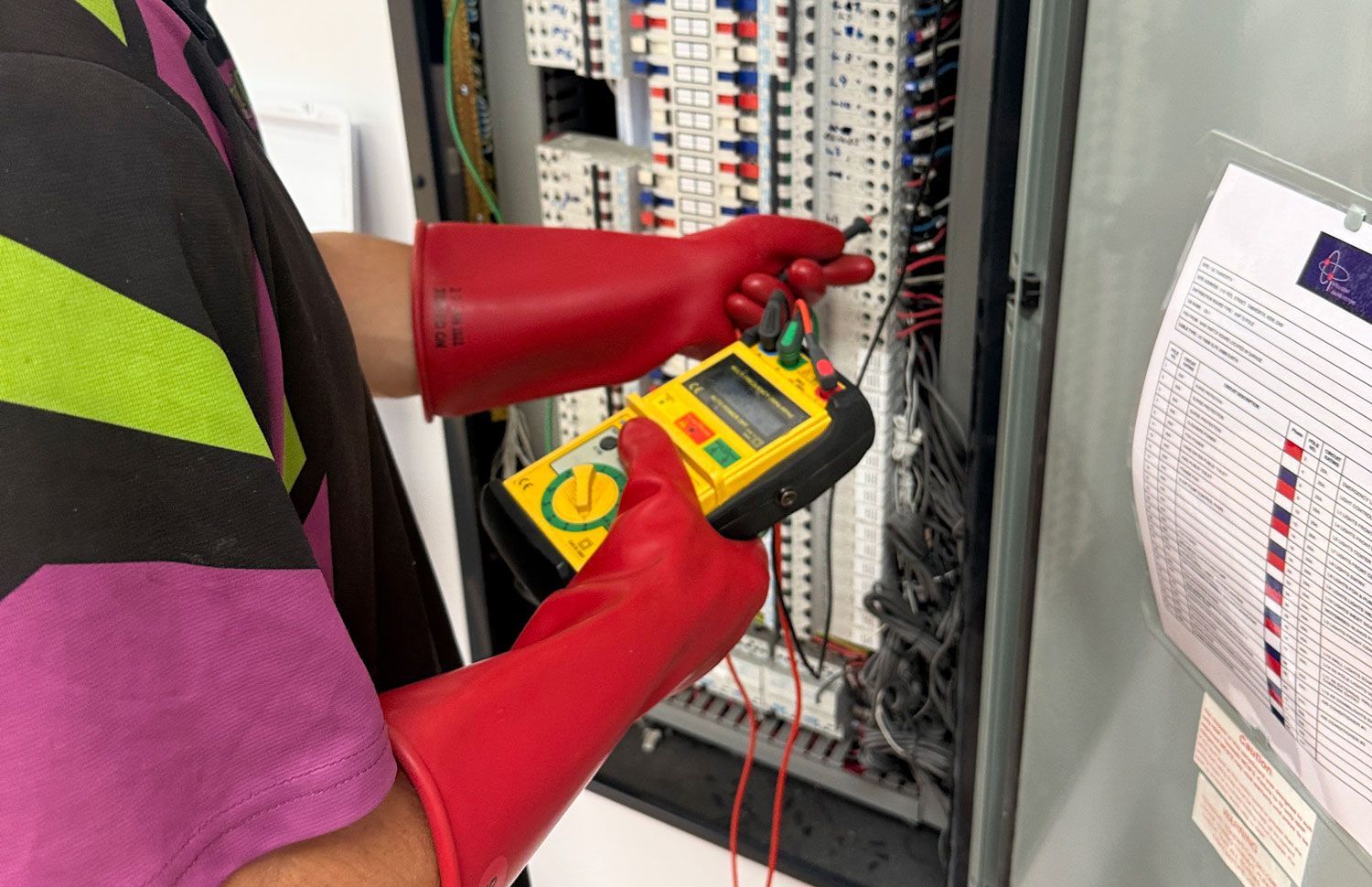
Electrical testing allows the underlying issue to be identified accurately. Addressing the cause rather than the symptom helps restore safe operation and prevents recurring disruptions to business activities.
Sparking outlets and burning smells require immediate action
Sparks, smoke, or burning odours should never be ignored in a workplace or business environment. These signs indicate that electricity is not flowing as it should and may be generating excessive heat. Even if the issue appears brief or intermittent, the risk can escalate quickly.
We recommend acting promptly while keeping safety as the priority.
- Isolate power at the main switch if it is safe to do so
- Keep clear of the affected outlet or appliance
- Avoid attempting to unplug or dismantle damaged components
Electrical faults involving heat can damage wiring beyond what is visible. Professional assessment helps prevent the issue from spreading and reduces the likelihood of further hazards.
Storm-related electrical faults can remain dangerous after the weather clears
Storms can place significant strain on electrical systems in commercial buildings and business premises. Wind, rain, and power surges may affect wiring and equipment in ways that are not immediately obvious. Even if power appears to return to normal, underlying damage can remain.
We often encounter faults that develop after the initial storm has passed.
- Power surges can damage internal electrical components
- Moisture may enter conduits, outlets, or switchboards
- Hidden faults can worsen under normal electrical load
Post-storm electrical checks help identify issues early. Emergency repairs carried out promptly can prevent unexpected failures and improve overall system reliability for businesses.
Water and electricity should never be handled together
Water exposure significantly increases the danger of any electrical fault. Whether caused by leaks, flooding, or weather-related intrusion, moisture can compromise insulation and create unpredictable electrical behaviour within commercial properties and businesses.
We always prioritise isolation and controlled assessment in these situations.
- Turn off power at the main switch if it can be done safely
- Avoid standing water near electrical fixtures or equipment
- Do not attempt to restart systems that have been wet
Only qualified electricians can test and restore water-affected electrical systems safely. Proper assessment ensures that hidden damage does not lead to future emergencies or business downtime.
Overloaded circuits can escalate into serious electrical emergencies
Electrical circuits are designed to carry a specific load. When demand exceeds capacity, systems can overheat, breakers may trip, and components may deteriorate over time. Overloads often develop gradually before becoming urgent in commercial and business environments.
We see overload issues arise when electrical usage changes without system upgrades.
- High-demand equipment can strain older wiring
- Multiple devices on one circuit increase heat generation
- Temporary power solutions can worsen the problem
Electrical load assessments and circuit upgrades help restore balance. Addressing overloads early improves safety and reduces the likelihood of sudden outages.
Knowing what not to touch can prevent injury and further damage
During an electrical emergency, knowing when to step back is essential. Certain components can remain energised even after power is switched off, making them hazardous to handle without proper training.
We recommend avoiding contact with anything that may be compromised.
- Exposed wiring or damaged outlets
- Switchboards showing signs of heat, moisture, or corrosion
- Equipment that has sparked, smoked, or overheated
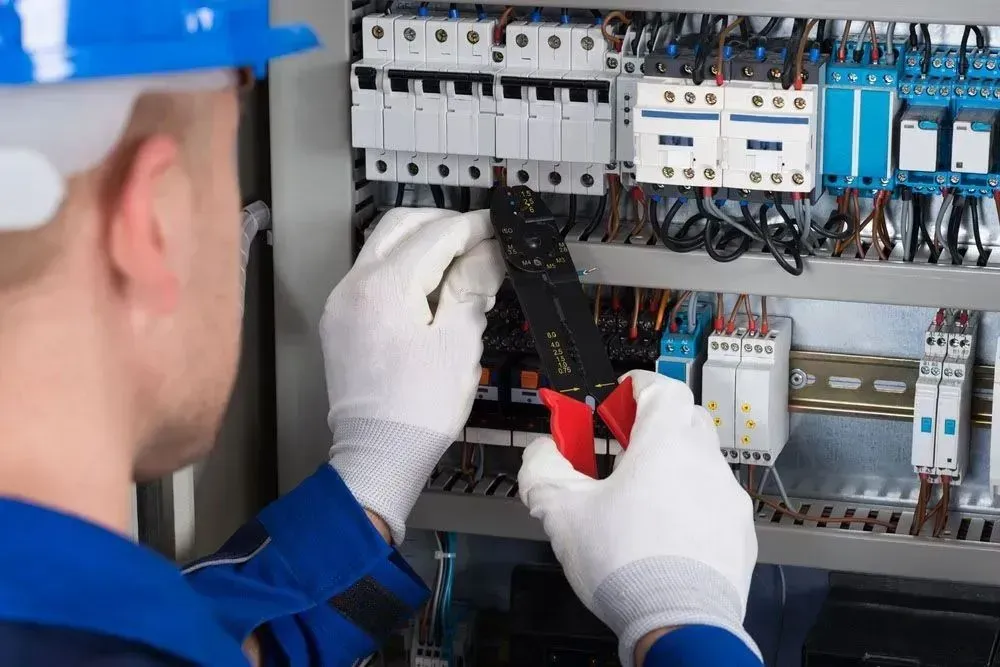
Electrical systems require controlled handling. Leaving inspections and repairs to licensed professionals reduces the risk of injury and prevents further damage to business operations.
Calling an emergency electrician early can limit damage and downtime
Electrical faults rarely resolve on their own. Delaying professional assistance can allow minor issues to become more complex, costly, or dangerous. Early intervention supports faster resolution and safer outcomes for businesses.
We encourage contacting an emergency electrician as soon as warning signs appear.
- Provide clear information about symptoms and timing
- Avoid temporary fixes that may mask the issue
- Follow safety guidance until assistance arrives
Prompt response enables accurate diagnosis and efficient repairs, helping restore normal operation with minimal disruption.
When electrical emergencies occur in Tamworth, clear guidance and timely professional support can make all the difference. We at Bes-Elect Electrical assist commercial properties and businesses with urgent electrical faults, unexpected power outages, storm-related damage, tripping safety switches, and other situations where safety cannot be compromised. Our approach focuses on careful assessment, practical solutions, and restoring electrical systems safely and efficiently. If you need an emergency electrician in Tamworth who understands the urgency of commercial and business electrical issues and responds with calm, reliable service, contact us today or visit https://www.bfelectrical.com.au/ to arrange assistance and help protect your premises, staff, and operations.