
Test & Tag Requirements For NSW Businesses

Bes-Elect Electrical • June 23, 2026

Electrical safety is a critical responsibility for every business. Whether you operate a warehouse, workshop, office, retail store or industrial facility, ensuring electrical equipment is safe to use helps protect workers, reduce downtime and support compliance with workplace safety obligations.


One of the most common questions business owners ask is about test and tag requirements. How often does equipment need to be tested? Who can perform the testing? Is it mandatory for every business? Understanding the answers can help you avoid compliance issues and maintain a safer workplace.


For businesses across Tamworth and the New England region, regular test and tag programs provide a practical way to identify faulty equipment before it becomes a safety risk.

What Is Test and Tag?

Test and tag is the process of inspecting, electrically testing and labelling portable electrical equipment to help verify that it is safe for workplace use. The process typically involves:


  • Visual inspection of equipment
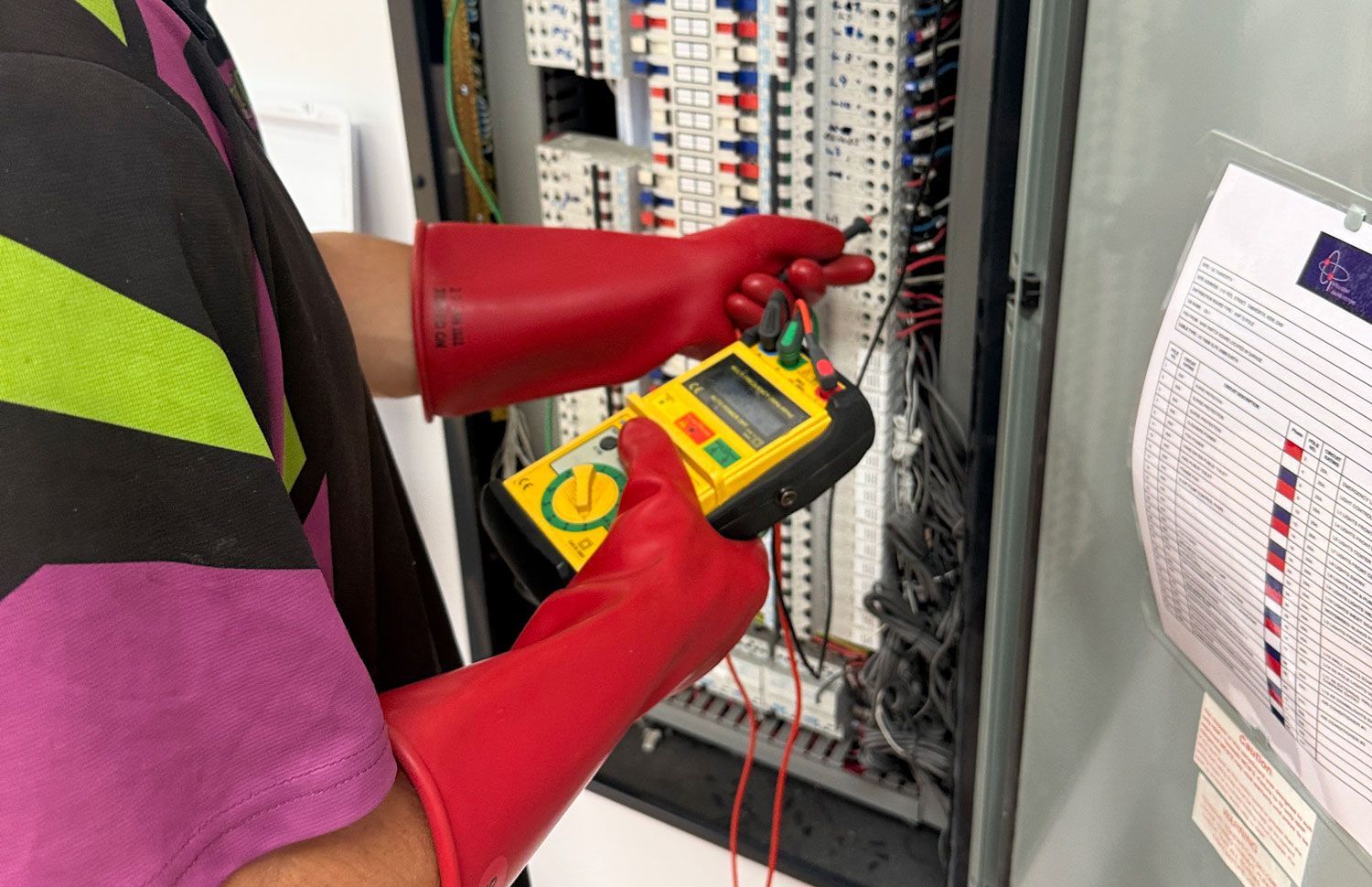
  • Electrical testing using specialised instruments
  • Recording test results
  • Attaching a tag showing the test date and next due date


Testing is generally conducted in accordance with AS/NZS 3760, the Australian and New Zealand standard covering the in-service safety inspection and testing of electrical equipment.

Are NSW Businesses Legally Required to Test and Tag?

One of the most common misconceptions is that every business is legally required to test and tag all equipment at fixed intervals. In reality, NSW workplace safety legislation requires businesses to manage electrical risks appropriately.


Test and tag is one recognised method of demonstrating that portable electrical equipment is being maintained and monitored. Whether testing is required depends on factors such as:


  • Workplace environment
  • Type of equipment
  • Frequency of use
  • Risk level
  • Industry requirements


For many commercial and industrial workplaces, regular testing forms an important part of their WHS compliance strategy.

What Equipment Needs to Be Tested and Tagged?

Under test and tag NSW guidelines, portable electrical equipment used in workplaces may require inspection and testing. Examples include:


  • Extension leads
  • Power boards
  • Portable power tools
  • Battery chargers
  • Kitchen appliances
  • Cleaning equipment
  • Portable office equipment
  • Workshop machinery with plug connections
  • Portable lighting


Equipment exposed to harsh environments generally requires more frequent inspection than equipment used in low-risk office settings.

Who Can Test and Tag Electrical Equipment?

Another common question is: who can test and tag electrical equipment? Testing must be performed by a competent person who has the appropriate training, knowledge and equipment to carry out the inspection and testing process safely. Depending on the workplace and type of equipment, this may include:


  • Qualified electricians
  • Trained test and tag technicians
  • Competent persons who have completed recognised training


Many businesses choose to engage a professional provider to ensure testing is completed correctly and documented appropriately. A licensed commercial electrician in Tamworth can carry out testing to the required standard and provide the documentation your business needs.

How Often Does Test and Tag Need to Be Done?

One of the most frequently searched questions is: how often does test and tag need to be done? The answer depends on the environment in which the equipment is used.

Construction, Demolition and Mining Sites

These environments are generally considered high risk due to harsh operating conditions, physical wear and increased exposure to damage. Testing intervals are typically much shorter.

Workshops, Factories and Industrial Sites

Equipment used in manufacturing, engineering and industrial settings may require more frequent testing due to heavy use and environmental factors.

Commercial Offices

Office environments generally present lower risk levels. Equipment may require less frequent testing, provided regular visual inspections and maintenance programs are in place.

Retail and Hospitality Businesses

Testing requirements vary depending on the equipment being used and the conditions in which it operates. A risk-based assessment is often the most effective way to determine appropriate testing intervals.

Why Test and Tag Is Important for Businesses

Regular testing helps identify faults that may not be visible during everyday use. Potential issues may include:


  • Damaged cords
  • Internal wiring faults
  • Faulty plugs
  • Electrical insulation failures
  • Damaged power boards
  • Unsafe portable appliances


Identifying these problems early helps reduce the risk of:


  • Electric shock
  • Workplace injuries
  • Equipment failure
  • Property damage
  • Business interruptions


For many organisations, test and tag forms part of a broader workplace safety and risk management strategy.

What Happens During a Test and Tag Inspection?

A professional test and tag service generally includes several steps.

Visual Inspection

The technician checks for:


  • Damaged cables
  • Broken plugs
  • Exposed wiring
  • Signs of overheating
  • Physical damage

Electrical Testing

Specialised testing equipment is used to assess the safety and integrity of the appliance.

Tagging

Once testing is completed, compliant equipment receives a tag indicating:


  • Date tested
  • Technician details
  • Next test due date

Reporting

Many businesses receive detailed records to support compliance and internal safety documentation. Businesses seeking professional test and tag in Tamworth often use these reports as part of their WHS management systems.

Consequences of Non-Compliance

Failing to manage electrical risks can expose businesses to significant consequences. Potential outcomes may include:


  • Workplace injuries
  • Increased liability exposure
  • Insurance complications
  • Equipment failures
  • Regulatory investigations
  • Business downtime


Regular testing provides documented evidence that a business is actively managing electrical safety risks. Faulty equipment is one of the most common causes of electrical hazards in older commercial properties, and regular testing is one of the simplest ways to identify problems before they escalate.

Industries That Benefit Most from Test and Tag

While many workplaces conduct testing, it is particularly important in:


  • Manufacturing facilities
  • Warehouses
  • Workshops
  • Construction-related businesses
  • Retail operations
  • Hospitality venues
  • Healthcare facilities
  • Schools and training centres
  • Agricultural operations
  • Commercial offices


Businesses with large volumes of portable equipment often implement scheduled testing programs to simplify compliance management.

Creating a Test and Tag Schedule

A structured testing schedule helps businesses remain compliant and avoid missed inspections. A professional provider can assist with:


  • Asset identification
  • Testing schedules
  • Compliance reporting
  • Ongoing maintenance programs
  • Risk-based testing recommendations


This allows businesses to focus on operations while maintaining electrical safety standards.

Professional Test and Tag Services in Tamworth

For businesses throughout Tamworth and the New England region, professional testing services help simplify compliance with workplace safety requirements. At Bes-Elect Electrical, we provide professional test and tag in Tamworth to help manage electrical safety obligations and support compliance with AS/NZS 3760.


Whether you operate a commercial office, industrial facility, workshop or retail premises, regular testing helps identify faults before they become costly problems.

Stay Compliant and Protect Your Workplace

Understanding test and tag requirements is an important part of maintaining a safe and compliant workplace. By implementing a regular testing program, businesses can reduce risk, protect workers and demonstrate a proactive approach to electrical safety.


If you're unsure whether your equipment is up to date or need assistance establishing a testing schedule, get in touch with the Bes-Elect Electrical team to arrange professional testing and tagging services tailored to your business.

An Electrician In Tamworth Working On A Switchboard
By Bes-Elect Electrical April 24, 2026
Learn what business owners need to know about switchboard upgrades for safety and compliance. Hire a trusted electrician in Tamworth today.

An electrician installing an EV charger on a wall.
By Bes-Elect Electrical March 24, 2026
Bes-Elect Electrical explains what businesses should know about EV charger installation in Tamworth, from planning and assessment to safe compliance.
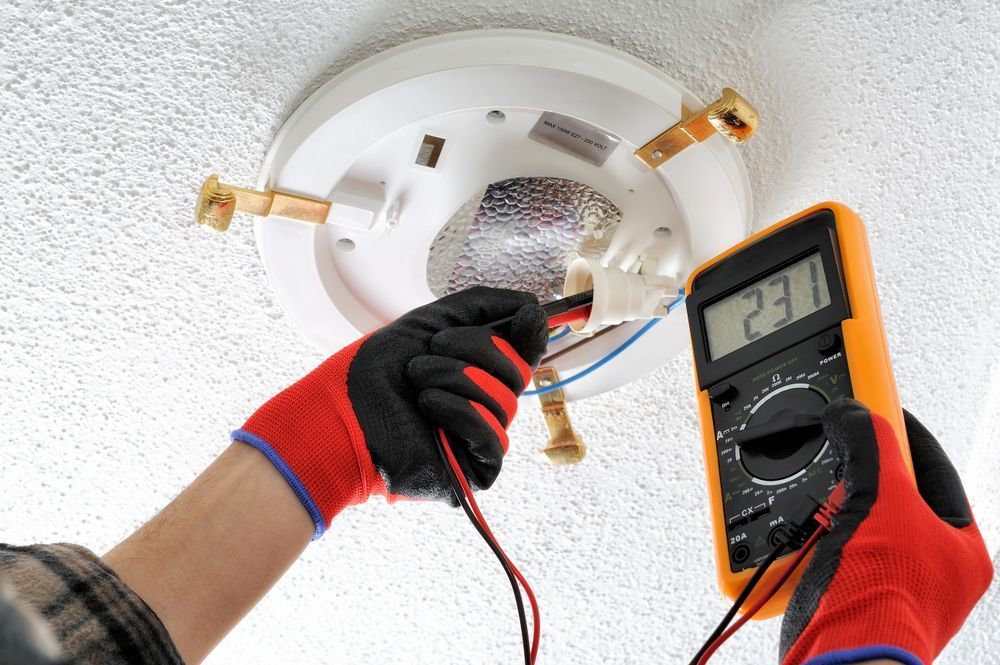
Gloved Hands Testing Ceiling Light Voltage With Multimeter
By Bes-Elect Electrical March 20, 2026
Ensure your home is safe with professional electrical services in Tamworth. Schedule an electrical safety inspection today to protect your property.
More Posts